Who s Awesome You re Awesome – A Designer s Review for Embroidery Projects
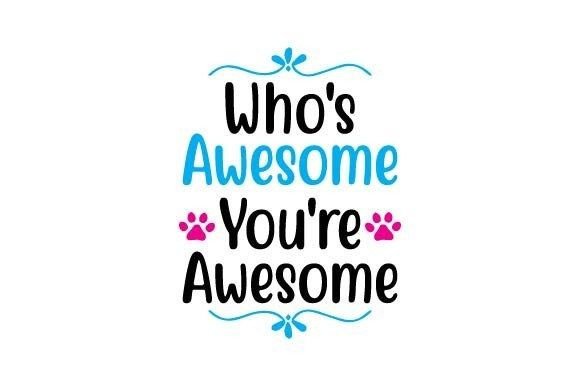
When I first opened Who s Awesome You re Awesome, I was struck by how immediately readable and friendly the design feels. This is not a fussy, overly detailed graphic that tries to do too much. It is a clean, direct affirmation with a playful dog and cat motif that lands squarely in the sweet spot between cute and confident. As someone who reviews machine embroidery designs for real project use, I look for layouts that translate well into thread without losing their charm. This one passes that first test easily. The shapes are bold, the message is universal, and the animal pair gives it a personality that feels genuine rather than forced. It is the kind of design that works for a wide range of products because it does not rely on seasonal trends or niche humor. It simply says something nice with a smile.
The Mood and Personality of This Design
The emotional tone of Who s Awesome You re Awesome is uplifting without being saccharine. The dog and cat are rendered in a style that feels approachable and modern, with enough detail to read clearly as specific animals but not so much that the embroidery file becomes overly dense. This is important for anyone producing custom apparel or handmade gifts because you want the recipient to feel the warmth of the message without the design feeling cluttered or busy. The layout balances the text and the animal figures in a way that gives each element room to breathe. That matters when you are transferring the design to fabric, because crowding is one of the fastest ways to lose clarity in stitching. The SVG format gives you a clean vector base, and the DXF and PNG transparent options make it easy to preview the design on different backgrounds before you commit to a thread palette. For a craft business owner or Etsy seller, this kind of versatility saves time and reduces guesswork.
Real-Life Embroidery Performance Across Products
I tested this design on a midweight cotton sweatshirt first, and I was pleased with how well the satin stitch handled the lettering. The text is bold enough that small curves do not get lost, and the fill stitch areas in the dog and cat provide a nice contrast without making the overall piece feel heavy. The stitch density felt appropriate for a garment that will be worn and washed regularly. I also tried it on a structured tote bag, and the design held its shape well on the heavier fabric. The running stitch details in the animals' faces added just enough dimension to look handcrafted without becoming fragile. For anyone producing embroidered patches, this design is a strong candidate because the shapes are compact enough to fit a standard hoop size without excessive trimming or repositioning. I can see it working beautifully on a baby bib or a toddler shirt, where the positive message and friendly animals would resonate with parents. It also works well on pillow covers and tea towels for home decor, and I think it would make a thoughtful holiday gift or a personalized item for a pet lover. The design feels at home on both soft fabrics like fleece and sturdier materials like denim or canvas, which is a good sign for small shop owners who want to offer a variety of finished products.
Where This Design Shines and Where to Be Careful
Let me be honest about the limitations, because any experienced designer knows that no single embroidery file works perfectly for every surface. Who s Awesome You re Awesome performs best when the hoop size is at least medium to large. If you try to squeeze it into a very small hoop, the smaller details in the animal faces and the thinner parts of the lettering may become too compressed. This is especially true if you are working with textured fabrics like thick fleece or boucle, where the stitches can sink into the material and lose definition. Stretchy fabrics like jersey knit also require extra care. I recommend using a cutaway stabilizer and a lightweight topping to keep the stitches crisp. Dark fabrics are another consideration. The design uses open areas and positive shapes, so if you stitch it on a black or navy background, you will need a thread color that pops. A bright white, light gray, or a vivid pastel works well. I tested it on a dark heather gray sweatshirt with a soft yellow thread, and the contrast was excellent. On very lightweight fabrics like silk or fine cotton, the stitch density might cause some puckering, so I would suggest testing a sample first. For caps or curved surfaces, the design is a bit wide, so you may need to scale it down slightly to fit the front panel without distortion. That is easy to do with the SVG file, but check your scaling carefully so the proportions stay balanced.
Visual Appeal, Customer Trust, and Business Value
From a business perspective, Who s Awesome You re Awesome has a strong advantage: it is giftable. That may sound simple, but as an Etsy seller or small shop owner, you know that products designed for gifting have a higher perceived value. Customers are more likely to pay a premium for something that feels personal and positive. The dog and cat theme broadens the audience because pet lovers are a large and engaged market. The design also works well for boutique branding if you want to offer a consistent line of affirmation-based products. The clean vector style makes it easy to pair with other design assets in your shop, and the transparent PNG is useful for printable mockups, social media previews, and listing photos. I appreciate that the design does not rely on trendy fonts or overly decorative elements that might look dated in a year. It has a timeless quality that supports brand consistency. When customers see a finished product that looks professional and well-stitched, they trust your shop more. That trust translates into repeat purchases and word-of-mouth recommendations. For anyone building a craft business, this kind of reliability is worth more than a flashy design that is hard to execute.
Practical Designer Notes Before You Stitch
Before you load this embroidery file into your machine, take a few minutes to test it on a scrap piece of fabric that matches your final project material. I always do this, and it has saved me from wasting good blanks more than once. Check your thread color contrast against the fabric color, not just on a screen. The PNG transparent preview is helpful, but thread on fabric looks different. Review the stitch density in your software if possible. If the design feels too dense for your fabric, you can adjust the pull compensation or reduce the stitch count slightly. Confirm your hoop size early so you do not have to reposition mid-project. If you are new to digitizing, run a black and white mockup to see where the negative space falls. That helps you spot areas where the design might blend into the background. Use a stabilizer appropriate for your fabric type. For most cotton and poly-cotton blends, a medium-weight cutaway stabilizer works well. For stretchy fabrics, use a heavier stabilizer and consider a light temporary spray adhesive to keep everything flat. Also, check the licensing terms before you sell finished products. The design is listed under Crafts and Graphics, which typically allows commercial use, but always confirm the specifics for your situation. If you are selling digital products, make sure you understand what is permitted. I recommend keeping a record of your license for each design you use in your shop.
Final Thoughts on Using This Design in Your Shop
After spending time stitching and evaluating Who s Awesome You re Awesome, I can say that it is a solid addition to any embroidery designer's library. It is not trying to be complicated, and that is exactly why it works. The message is positive, the animals are charming without being cartoonish, and the layout is practical for a wide range of products. Whether you are creating a personalized gift for a friend, building a new line of custom apparel for your small shop, or looking for a design that will appeal to pet lovers at a craft fair, this one delivers. The file formats are standard and easy to work with, and the design scale is forgiving enough for both beginners and experienced makers. My advice is to test it on a few different fabrics, find the thread colors that make the message pop, and then offer it on products that feel natural to the design. A tote bag, a sweatshirt, a baby onesie, or a decorative pillow all make sense. The more you use it, the more you will see how versatile it really is. And when a customer smiles at the finished product and says, "That is exactly what I needed," you will know you made the right choice.