My 1st Halloween: A Designer’s Review for Real Embroidery Projects
When I first opened My 1st Halloween, I was immediately drawn to its playful, pet-friendly energy. This isn’t just another holiday design—it’s a graphic that feels genuinely celebratory, with a clear focus on dog lovers who want to mark a puppy’s first Halloween. As someone who evaluates embroidery files and digital design assets for real project use, I’m always looking for themes that resonate emotionally with buyers while holding up under the needle. My 1st Halloween checks that box with a lighthearted, paw-positive mood that works across multiple product categories. Whether you’re a small shop owner preparing for fall craft fairs or an Etsy seller brainstorming holiday bestsellers, this design offers solid creative potential.
First Impressions: Mood, Shape, and Visual Personality
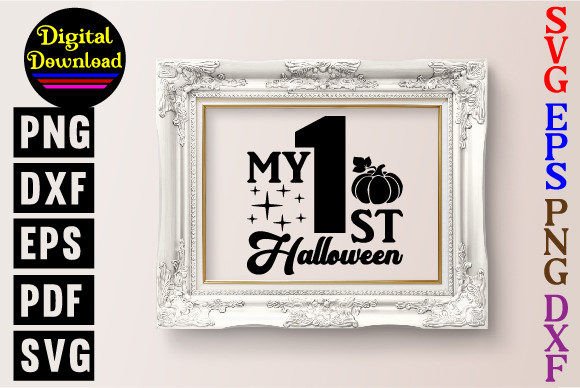
The first thing I noticed about My 1st Halloween is how the layout balances cuteness with clarity. The paw motif is front and center, giving it an immediate emotional hook for pet owners. The overall shape feels friendly and approachable—not too complex, not too simple. For an embroidery project, that’s a critical balance. Designs that are too detailed can become muddy at smaller sizes, while overly simple graphics can feel generic. My 1st Halloween lands in a sweet spot where the theme is instantly recognizable and the visual personality is warm, nostalgic, and slightly whimsical. It naturally belongs on products meant for babies, toddlers, or beloved pets celebrating their first Halloween. That specificity gives it strong gift appeal and boutique value.
Real Case: Building a Custom Embroidered Tote Bag
I decided to test My 1st Halloween by preparing a custom embroidered tote bag for a client who wanted a Halloween-themed gift for her sister’s new puppy. She wanted something that felt personal, not mass-produced. Using the graphic as a reference for digitizing, I worked with a medium hoop size and chose a warm orange thread for the paw accent and a deep black for the lettering and outlines. The satin stitch handled the curves of the paw nicely, and the fill stitch gave enough density to make the design pop against the natural cotton fabric of the tote. The client was thrilled with how the finished product looked—clean, professional, and full of personality. That real-world result confirmed what I suspected: My 1st Halloween translates well into stitched form when you pay attention to stitch density and thread contrast.
How the Design Performs Across Different Products
One of the strengths of My 1st Halloween is its versatility across various handmade products and custom apparel. Here’s how I’ve seen it perform in different applications:
- Custom Apparel: On sweatshirts and t-shirts, the design sits nicely on the chest or back. The paw graphic works well as a focal point without overwhelming the garment. For baby onesies or toddler tees, scaling it down maintains readability.
- Tote Bags and Aprons: The bold shapes hold up well on thicker fabrics like canvas or denim. I recommend using a medium-weight stabilizer to keep the stitches crisp, especially if the bag will see frequent use.
- Patches: This design could easily become an embroidered patch for adding a playful touch to jackets, backpacks, or even pet accessories. The paw motif is perfect for iron-on or sew-on patch production.
- Pillow Covers and Blankets: For home decor items, My 1st Halloween adds a festive accent. The color contrast matters here—lighter backgrounds help the design stand out, while darker fabrics may require a heavier thread color shift.
- Printable Mockups and Digital Products: Since the design comes as a print-ready graphic file, it’s also useful for creating mockup images for Etsy listings or social media previews. The PNG format makes it easy to layer over product photos.
Where to Use Careful Judgment
No design is perfect for every situation, and My 1st Halloween has a few areas where I advise caution. The design’s detail level is moderate, but if you’re working with a very small hoop size or extremely thin fabric, some elements may lose definition. Here are specific scenarios where careful testing is essential:
- Small Hoop Sizes: If you’re embroidering on a cap or a tiny baby garment, check whether the paw details and any lettering remain clear when scaled down. I always run a test stitch on scrap fabric first.
- Stretchy Fabric: On knits or performance fabrics, the design may distort if you don’t use appropriate stabilizer and tension settings. A cutaway stabilizer is generally a safer bet than tearaway for this design.
- Dark Fabric: The design’s visual impact depends on thread contrast. On black or very dark fabric, you may need to adjust thread colors or add an underlay to prevent the background from showing through.
- Curved Surfaces: For caps or curved garments, the layout may need slight rotation or resizing to sit naturally. Test the positioning before committing to the final stitch.
- Frequent Washing: If the finished product will be washed often—such as a kitchen towel or baby blanket—the stitch density should be tight enough to prevent fraying, but not so dense that the fabric puckers.
Practical Notes from the Embroidery Designer’s Desk
Before you use My 1st Halloween in any commercial embroidery project or handmade product, I recommend going through this checklist. These are the same steps I take before I commit a new design to a client’s order or my own shop inventory:
- Test on Scrap Fabric First: Always stitch a sample on fabric similar to your final product. This reveals stitch density issues, thread breaks, or placement problems before you work on the actual item.
- Check Thread Color Contrast: The design’s paw motif works best with high contrast thread combinations. Test both light-on-dark and dark-on-light versions to see which pops more.
- Review Stitch Density: If the design feels too dense after digitizing, reduce the density slightly to avoid fabric distortion. If it feels too sparse, add a light fill or increase the stitch count in key areas.
- Confirm Hoop Size: Make sure your hoop can accommodate the design at your desired scale without crowding. Leave at least half an inch of clearance around the design edges.
- Inspect Small Details: If the design includes fine text or thin lines, check that they stitch cleanly at your intended size. Tiny elements may need to be enlarged or simplified.
- Use Black and White Mockups: Before digitizing, view the design in grayscale. This helps you assess contrast and shape clarity without the distraction of color.
- Compare Light and Dark Backgrounds: The same design can feel completely different on white fabric versus dark fabric. Evaluate both scenarios to decide which version you’ll offer.
- Choose the Right Stabilizer: For most applications, a medium-weight tearaway or cutaway stabilizer works well. For stretchy or delicate fabrics, cutaway is usually more reliable.
- Check Licensing: Since My 1st Halloween is a digital download graphic, confirm the license terms before selling finished products or using the design in commercial embroidery work. Some files are for personal use only; others allow small-scale commercial production.
How the Design Affects Product Value and Customer Trust
In my experience, customers respond to designs that feel intentional and well-executed. My 1st Halloween has a clear target audience—pet owners celebrating a first holiday with their dog—and that specificity adds perceived value. When a buyer sees a product that clearly says “this was made for someone like me,” they’re more likely to trust the seller and make a purchase. For a small shop owner or Etsy seller, leveraging that emotional connection is everything. The design’s friendly, approachable style also makes it suitable for gift items, which often command higher price points because buyers are looking for something memorable and personal.
From a brand consistency standpoint, My 1st Halloween fits well within a holiday-themed product lineup. If you offer multiple Halloween designs, this one stands out because it speaks directly to dog lovers—a large and loyal market. Whether you’re creating boutique branding for a pet-themed shop or adding seasonal options to your craft fair inventory, this design helps you signal that you understand your customer’s interests.
Final Thoughts for Designers, Sellers, and Makers
My 1st Halloween is a solid addition to any crafter’s design library, especially if you serve pet owners or parents looking for first-holiday keepsakes. Its strength lies in its emotional clarity and visual readability. The design works well across custom apparel, handmade gifts, and home decor items, and it adapts nicely to both embroidery and print applications. As with any digital embroidery file or graphic asset, the final quality depends on how you digitize, stitch, and finish the product. Take the time to test, adjust, and refine, and this design can become a reliable seller in your shop.
For machine embroidery enthusiasts, treat My 1st Halloween as a starting point—a graphic that needs careful digitizing to shine under the needle. For print-on-demand sellers, the SVG and PNG files are ready to use for mockups, transfers, and paper goods. For gift-makers and small business owners, this design offers a way to connect with customers who want their products to feel personal and seasonal. It’s not a one-size-fits-all solution, but with the right preparation, it can deliver strong results and happy customers.