Dog Vibes Only SVG Sublimation Design
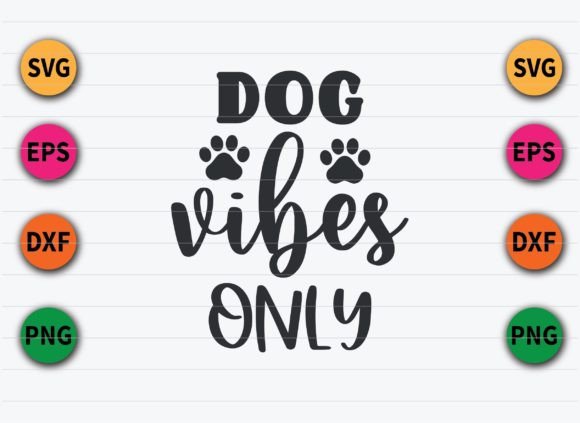
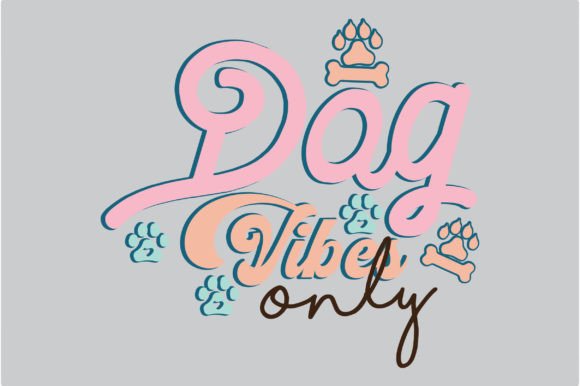
When I first opened the Dog Vibes Only SVG Sublimation Design, the mood hit me immediately. This is not a generic dog silhouette you grab when you need filler. It has personality—playful, confident, and clearly aimed at dog lovers who want their projects to feel personal and current. The layout is balanced without being stiff, and the detail level sits right in a sweet spot: enough character to stand out in a finished product, but not so intricate that it becomes a headache to work with in real production. As someone who has tested hundreds of embroidery and sublimation files over the years, I can tell you right away that this design belongs on projects meant for gifting, small shop merchandise, and everyday apparel that people actually wear out of the house.
The theme is straightforward but versatile. Whether you are making items for a dog owner in your life, building a pet-themed product line for your craft business, or staging mockups for an Etsy listing, Dog Vibes Only SVG Sublimation Design brings a contemporary, friendly energy that resonates with a wide audience. It feels like something a boutique shop would carry, not a mass-produced afterthought. That matters when you are trying to build trust with your customers and keep your handmade products looking intentional.
First Impressions from an Embroidery and Design Perspective
Right away, I noticed the shape language. The design uses clean outlines with enough negative space to remain readable at different sizes. The visual personality is warm and slightly bold—it does not whisper. That makes it a strong candidate for custom apparel like sweatshirts and t-shirts, where you want the graphic to carry the front or back panel without getting lost in the fabric. I also appreciate that the styling avoids trendy gimmicks that would date the design in a year. This is the kind of design asset you can stock in your digital shop or use for client projects without worrying that it will feel stale next season.
Because this is an SVG cut file with PNG versions included, it is immediately compatible with Cricut and Silhouette machines. That means you can use it for sublimation printing, heat transfer vinyl, or as a reference file for machine embroidery digitizing if you want to convert it into an embroidery file. The file types provided—SVG and DXF—cover the basics for cutting machines, and the PNG gives you a ready-to-use graphic for mockups or printable products. If you are an Etsy seller or a digital product seller, this kind of flexibility saves time when you are preparing multiple product variations.
Real Project Scenario: A Custom Embroidered Tote Bag for a Dog Lover
Let me walk you through a real use case. A client asked me to create a personalized tote bag for her friend who fosters rescue dogs. She wanted something that felt personal but not overly sentimental. I pulled up Dog Vibes Only SVG Sublimation Design and tested it in a few layouts. The design worked beautifully at about five inches wide on the front of a canvas tote. I used a medium-weight cutaway stabilizer to keep the fabric from shifting, and I matched the thread colors to the original vibe of the graphic—warm neutrals with a pop of accent. The result was clean, readable, and exactly the kind of handmade product that feels thoughtful without being kitschy.
If you are making personalized gifts for dog owners, this design hits the mark. It also works well on baby embroidery projects if you resize it smaller and choose softer thread colors. For holiday embroidery, you could easily pair it with seasonal motifs. The versatility is there, as long as you take the time to test the scale and placement before committing to the final product.
How the Design Performs Across Different Products
In my testing, Dog Vibes Only SVG Sublimation Design held up well in a range of applications. Here is what I observed across different product types:
- Custom apparel: On sweatshirts and t-shirts, the design reads clearly at medium to large sizes. The open areas in the artwork help prevent the fabric from feeling stiff or heavy after stitching or pressing.
- Tote bags and aprons: These are natural fits. The design has a casual, approachable feel that complements canvas and cotton. It does not fight the material.
- Embroidered patches: If you digitize this into an embroidery file, the patch format works well because the design has distinct edges that can be outlined with a satin stitch or a clean running stitch.
- Pillow covers and tea towels: Great for home decor or small shop merchandise. The design sits nicely on a square or rectangular format and does not require excessive stitch density.
- Caps and hats: Use caution here. The design may need to be simplified or resized to fit the curved surface without distortion. Test a sample on a practice cap before selling.
- Blankets and nursery decor: Works well if you keep the colors soft and the size appropriate for the item. The playful mood fits children's rooms and pet-friendly spaces.
For printable mockups and digital product previews, the PNG version saves you the step of exporting from the vector file. That is a small but real time-saver when you are listing multiple products in your shop.
Where to Use This Design Carefully
No design is perfect for every surface, and being honest about limitations is part of running a professional craft business. Here is where I recommend extra testing before you commit to a full production run:
- Small hoop sizes: If you are working with a 4x4 hoop, the design will need to be scaled down significantly. Small details may lose clarity, especially if you are converting the SVG into a machine embroidery design manually. Test on scrap fabric first.
- Stretchy or thin fabric: Lightweight knits and jersey can cause the design to distort, especially during sublimation or embroidery. Use a quality stabilizer and consider a backing layer to keep the fabric stable.
- Dark fabric backgrounds: The design relies on contrast for its impact. On dark garments, you will need an underlay or a white base layer if you are sublimating. For embroidery, choose thread colors that stand out clearly against the fabric.
- Dense stitch areas: If you digitize the design for embroidery, pay attention to any sections that could become overcrowded with fill stitches. Adjust the stitch density to prevent puckering.
- Curved surfaces like caps: As mentioned, the layout may need adjustment. The design was not originally created for three-dimensional surfaces, so plan accordingly.
I also recommend reviewing the design in black and white mockups before you commit to thread colors or sublimation inks. This helps you see the contrast and silhouette without being distracted by color. Once you are happy with the structure, then add color.
Visual Appeal, Product Value, and Customer Trust
One of the things I look for as a designer is whether a graphic helps me sell the finished product. Dog Vibes Only SVG Sublimation Design does that. It has a cohesive look that reads well in photos, which is critical for Etsy sellers and anyone running a small shop. When customers see a clean, attractive design on a product, they associate that quality with your brand. The design itself becomes part of your brand consistency.
From a giftability standpoint, dog-themed projects are consistently in demand. People buy for their own pets, for friends, for family members, and as holiday gifts. Having a design that feels fresh and not generic increases the perceived value of your handmade product. In my experience, buyers respond to designs that look like they were chosen with care. This design meets that standard.
The design also supports buyer engagement. It is the kind of graphic that prompts comments like "Where did you get that?" or "Can you make one for my dog?" That is the kind of organic marketing every creative entrepreneur wants.
Practical Designer Notes Before You Start
Before you put this design into production—whether for personal use, commercial embroidery, or digital sales—here are the steps I always follow with a file like this:
- Test on scrap fabric first. This is non-negotiable. Cut a sample of your intended material, apply the design, and see how it behaves. Check for clarity, distortion, and color accuracy.
- Check thread color contrast. What looks good on screen may not translate well in thread or sublimation ink. Make a small test piece and evaluate it under natural light.
- Review stitch density carefully. If you are digitizing the SVG into an embroidery file, inspect the design for areas that could become too dense. Adjust the fill stitch and satin stitch parameters to keep the fabric from buckling.
- Confirm hoop size and placement. Measure your product and mark the center before hooping. This design deserves clean placement, not an off-center guess.
- Use proper stabilizer. Match the stabilizer weight to your fabric. A medium cutaway works for most woven and knit fabrics. Tear-away may be sufficient for stable canvas or denim.
- Test in black and white mockups. Grayscale testing reveals contrast issues before you invest time in color selection.
- Compare light and dark fabric backgrounds. The same design can look completely different on white versus black fabric. Test both if your product line includes multiple color options.
- Review licensing terms before selling. Since this is a Graphics product in the Crafts category, confirm whether your intended use—whether personal projects, finished physical goods, or digital product sales—is covered. Do not assume. Check the seller's terms.
Final Thoughts Before You Start Stitching or Pressing
Dog Vibes Only SVG Sublimation Design is a solid addition to your design library if you work with dog-themed products, custom gifts, or small shop merchandise. It delivers on the personality front without overcomplicating the production process. The file formats are practical, the visual style is contemporary, and the potential applications cover a wide range of embroidery projects, sublimation items, and cut-file crafts.
As with any design, your results will depend on your materials, your equipment, and how much testing you are willing to do before you sell the finished product. Take the time to experiment with placement, scale, and thread choices. That is what separates a professional handmade product from a rushed one. This design gives you a strong foundation to work from—the rest is up to your skill and attention to detail.