My Sarabi Dog Rides Shotgun: A Hands-On Review
When I first opened the My Sarabi Dog Rides Shotgun design file, I immediately caught the playful, adventurous spirit behind it. This isn’t just a generic dog silhouette or a simple pet portrait. It feels like a snapshot of a real moment—a dog happily riding in the passenger seat, ready for the next road trip. The layout is balanced, the subject has clear personality, and the overall mood hits that sweet spot between quirky and heartfelt. As someone who reviews embroidery files for real project use, my first thought was: this is going to land well with dog lovers who also love a good story. The design doesn’t try to do too much, which is often the hallmark of a file that translates beautifully from screen to fabric.
Before I stitch anything, I always ask myself: does this design have a natural home in a finished product? With My Sarabi Dog Rides Shotgun, the answer is yes. It belongs on anything that celebrates a dog’s personality—tote bags, sweatshirts, caps, even kitchen towels for the dog-obsessed home cook. The theme is universal enough for everyday wear but specific enough to feel personal. That’s a rare balance in digital design assets, and it’s one of the reasons I wanted to test this file thoroughly.
First Impressions and Visual Personality
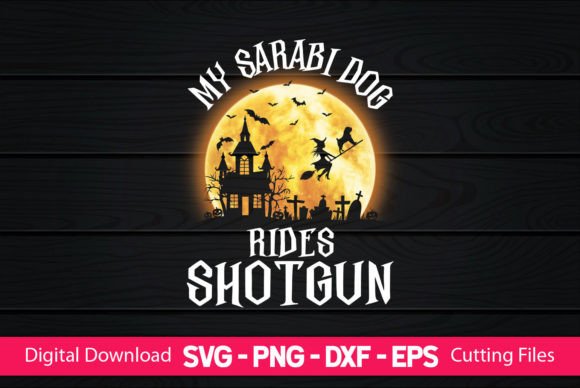
The design presents a clean, stylized illustration of a dog with a confident, happy posture. The phrase “Rides Shotgun” reinforces the idea of loyalty and companionship. The linework is deliberate, not overly intricate, which tells me it was designed with cutting machines in mind but also has strong potential for embroidery if handled correctly. The visual personality is warm, bold, and slightly nostalgic. It reminds me of vintage travel graphics but with a modern pet-owner twist. This is the kind of design that makes people smile, and that emotional connection is what drives sales in a craft business.
From a designer’s perspective, the shape is compact enough to fit on a variety of blanks. The dog’s silhouette and the text work together without crowding each other. There’s a clear focal point, and the eye moves naturally from the dog to the wording. That readability is critical when you’re stitching a design onto a sweatshirt or a cap where space is limited. I’ve seen too many designs where the text gets lost in the artwork. That’s not the case here.
Real-Life Embroidery Performance: Tote Bag and Sweatshirt Test
I decided to test My Sarabi Dog Rides Shotgun on two products: a mid-weight canvas tote bag and a cotton-blend sweatshirt. These are staples in any small shop, and they represent different fabric textures and stability levels. For the tote bag, I used a medium-weight cutaway stabilizer and a 5x7 hoop. The design stitched out cleanly, with the satin stitch elements holding their shape well. The fill stitch areas were smooth, and the running stitch details added a nice hand-drawn quality.
On the sweatshirt, I used a tear-away stabilizer with a light spray adhesive. The fabric had a bit of stretch, so I made sure to hoops the garment evenly. The design handled the surface well. The stitch density felt appropriate—not so dense that it puckered the fleece, and not so light that the details got lost. The text remained crisp, and the dog’s outline stayed true to the original file. I could see this design working equally well on a baby onesie, a pillow cover, or an apron. It’s versatile without being generic.
For an Etsy seller or a small shop owner, this kind of reliable performance is gold. You can list this design on multiple product types without worrying about constant redesign. That saves time and builds a consistent brand look.
Where the Design Shines and Where to Be Careful
There are some applications where My Sarabi Dog Rides Shotgun really stands out. Custom apparel for dog owners is an obvious one. Personalized gifts for pet lovers, holiday presents for friends who road trip with their dogs, and boutique merchandise for dog-friendly businesses all feel like natural fits. I can also see this working well as an embroidered patch on a denim jacket or a canvas backpack. The design’s bold silhouette makes it readable from a distance, which is a big plus for patches.
However, I do want to flag a few areas where you should test before committing to a full production run. If you’re working with a small hoop size—say, 4x4 or smaller—the text may become difficult to read, especially if the design includes multiple words. The dog’s finer details, like ear shapes or tail curves, could lose definition at very small sizes. I recommend scaling the design to at least 4 inches wide for the best clarity.
Textured fabrics like heavy fleece, thick terry, or boucle can also be tricky. The stitch density might cause the design to sink into the fabric, making the details less sharp. Dark fabrics require careful thread color selection to ensure the dog’s outline and the text pop. I tested it on a navy sweatshirt with a light gray thread, and the contrast was strong. On black fabric, a bright white or a metallic thread would work beautifully.
Layered garments, such as jackets with multiple fabric panels, need extra attention. The design should be centered on a stable area, not across a seam or a pocket. Curved surfaces like caps can also distort the design if it’s placed too close to the brim. Always test on a scrap cap first.
Visual Appeal, Product Value, and Customer Trust
From a customer’s perspective, a well-stitched My Sarabi Dog Rides Shotgun design communicates quality and thoughtfulness. When a buyer receives a personalized gift or a handmade product with this design, they feel like the item was made just for them. That builds trust and encourages repeat purchases. For a craft business, this design has strong giftability. It works for birthdays, holidays, adoption anniversaries, or just because. The design’s positive emotional tone makes it easy to photograph and list on Etsy or at a craft fair.
I also appreciate how the design functions as a design asset. The SVG, PNG, DXF, and EPS file formats give flexibility for digital mockups, printable previews, and cutting machine projects. For a creative entrepreneur, having a single design that works across embroidery and paper crafting is a practical advantage. You can use it to create coordinated product lines—an embroidered tote bag, a printed sticker, and a heat-pressed T-shirt all using the same artwork. That kind of brand consistency is hard to achieve without reliable design assets.
Practical Embroidery Designer Notes
Here are the notes I jotted down during my test runs, and I recommend you do the same before using My Sarabi Dog Rides Shotgun in a client project or a production batch.
- Test on scrap fabric first. Every fabric behaves differently. Stitch a test version on a piece of fabric similar to your final product. Check the stitch density, the detail sharpness, and the overall appearance.
- Check thread color contrast. The design uses a mix of fill and satin stitches. Make sure the thread colors you choose provide enough contrast against the fabric. Light thread on dark fabric and dark thread on light fabric both work well, but mid-tone combinations can wash out the design.
- Review stitch density. If the design feels too dense, consider reducing the density slightly to avoid puckering, especially on stretchy or lightweight fabrics. If it feels too light, add a layer of underlay for stability.
- Confirm hoop size. This design fits comfortably in a 5x7 hoop. If you’re using a smaller hoop, test the scaled version first to ensure the text and details remain readable.
- Inspect small details. The dog’s features and the text letters should be checked for any thin areas that might break during stitching. Build up any narrow sections with a running stitch or a tiny satin stitch.
- Test in black and white mockups. Before committing to thread colors, print the design in grayscale. This helps you see which areas might blend together and where you need more contrast.
- Compare light and dark fabric backgrounds. The same design can look dramatically different on a white tote bag versus a black sweatshirt. Adjust your thread colors accordingly.
- Use proper stabilizer. For stretchy fabrics, use a cutaway stabilizer. For stable wovens, a tear-away works fine. For caps, use a stiff cap backing. Never skip stabilizer, even on a test run.
- Check licensing. Before selling finished products or digital files, review the license terms for My Sarabi Dog Rides Shotgun. Confirm whether commercial use is allowed and whether you need to credit the designer. This protects your business and your customers.
Final Thoughts on My Sarabi Dog Rides Shotgun
After spending time with this design, I can confidently say it’s a solid addition to any embroidery or craft business. It has a clear identity, a strong emotional hook, and practical versatility. It works for custom apparel, handmade gifts, boutique merchandise, and digital product previews. The file formats are standard, the layout is thoughtful, and the overall aesthetic is both modern and timeless.
For a small shop owner or an Etsy seller, this design offers a reliable way to create products that connect with customers. Dog lovers are a loyal audience, and a design that captures the joy of having a dog by your side will always find a market. Just remember to test it, stabilize it, and choose your thread colors wisely. With a little care, My Sarabi Dog Rides Shotgun will ride along on many successful projects.